Key Takeaways
- Regular movement is good for mood, sleep, stress levels, and mental well-being.
- Older adults should aim for 150 minutes of moderate aerobic activity each week, plus strength and balance exercises.
- Exercise can be spread throughout the week instead of completed in long sessions.
- Walking, gardening, chair yoga, stretching, and dancing are approachable options for different abilities and interests.
- Group fitness and shared activities add a social side to staying active.
- Senior living puts walking spaces, wellness programs, activities, and neighbors close by, making movement easier to work into the day.
How Movement Lifts Your Mental Well-Being
Some mornings feel heavier than others. Maybe the house is quiet, the calendar looks empty, and the idea of getting up and going somewhere feels like a lot. That feeling is more common than you might think, and it responds beautifully to something simple.
Regular movement can also have a positive effect on mood, stress, sleep, cognitive health, and social connection, all of which contribute to mental well-being as we age. And in senior living, it’s easier than ever. With accessible spaces, organized activities, and opportunities to spend time with others, senior living turns movement into a regular part of the day rather than another task on the calendar.
The Benefits of Staying Active
Regular physical activity supports both physical and mental well-being as we age. Movement can affect how you feel throughout the day while keeping your mind engaged and creating more opportunities to connect with others.
Some of the benefits of regular exercise for seniors include:
- Improving mood and reducing stress
- Supporting better, more restful sleep
- Keeping the mind active and engaged
- Creating opportunities to socialize
- Building confidence and independence
Even gentle activities can provide these benefits when they become part of a regular routine. Walking, stretching, gardening, or joining a group activity can add movement to the day without requiring an intense workout.
How Much Exercise Do Older Adults Need?
Adults 65 and older should aim for at least 150 minutes of moderate-intensity aerobic activity each week. That can be spread across the week, such as 30 minutes of activity on five days, rather than completed in long exercise sessions.
A well-rounded routine also includes muscle-strengthening activities on at least two days each week and activities that improve balance. However, the right amount and type of movement will depend on health, mobility, and ability. Older adults who cannot meet the full recommendations can still benefit from being as physically active as their abilities and conditions allow.
Easy, Senior-Friendly Ways to Stay Active
Staying active does not have to mean following an intense exercise routine. Accessible activities can add movement to the day while supporting different interests, abilities, and energy levels.
Walking
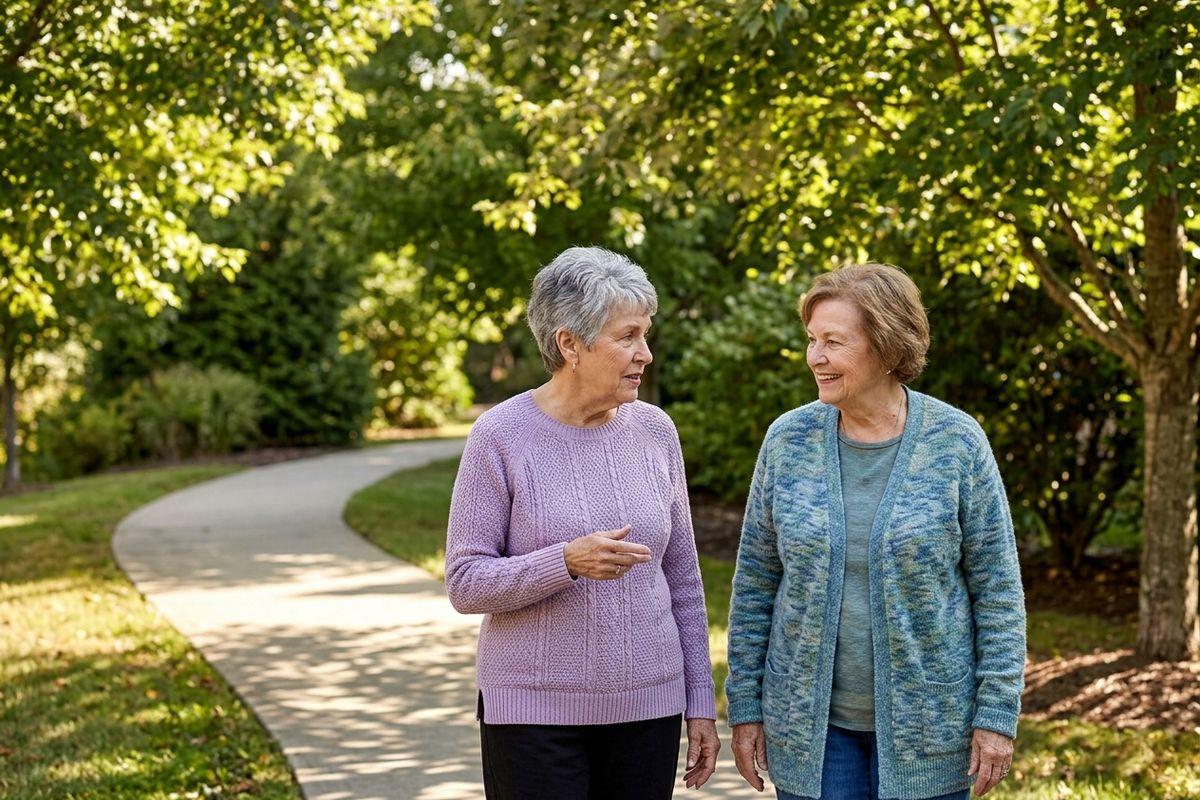
Walking is one of the simplest ways to build more movement into a daily routine. A walk around the community, along an outdoor path, or with a neighbor can support physical health while providing a refreshing change of scenery. It even offers a chance to chat and catch up, and that socialization offers benefits as well.
Gardening
Gardening combines light physical activity with time outdoors and a hands-on hobby. Tasks such as watering, planting, and tending to flowers or vegetables can keep the body moving without feeling like a traditional workout. A garden can also provide a relaxing setting to spend time with neighbors.
Chair Yoga and Gentle Stretching
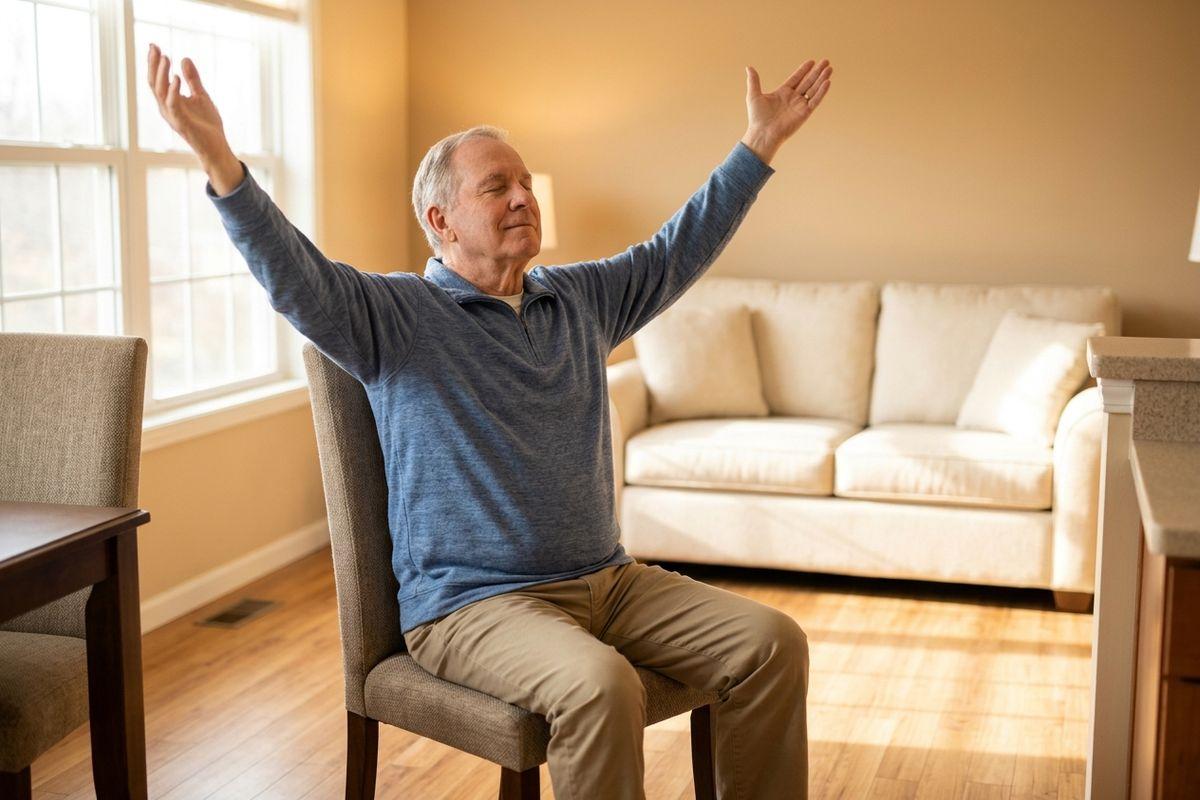
Chair yoga and gentle stretching offer adaptable ways to work on flexibility and movement. Seated exercises can make activity more accessible for older adults who are not comfortable with prolonged standing or more strenuous workouts. A calm class environment can also provide a relaxing break in the day.
Dancing and Group Fitness
Dancing and group fitness bring movement, music, and social interaction together. Classes can provide structure while giving participants a chance to try new movements and spend time with neighbors. With different formats and intensity levels available, older adults can choose activities that suit their interests and comfort level.
How Senior Living Helps You Stay Active
An active lifestyle is easier to maintain when opportunities for movement are already nearby. Senior living communities can provide spaces, programs, and social activities that move a convenient and enjoyable part of everyday life.
Spaces Designed for Movement
Accessible indoor and outdoor spaces give residents more opportunities to move throughout the day. Walking paths, patios, gardens, and common areas can provide convenient places for a stroll or a change of scenery.
Fitness and Wellness Programs
Organized wellness programs can introduce residents to different ways of staying active. Programs like these can add variety and structure to an active routine. That’s why communities like ours offer customized wellness plans designed around personal needs and goals.
Group Activities
Exercise can become more appealing when it is also a chance to spend time with other people. Fitness classes, walking groups, dancing, and recreational activities bring residents together around shared interests.
An Active Social Routine
Staying active is not limited to scheduled exercise. Community events, shared spaces, hobbies, and time with neighbors can provide plenty of reasons to get up, head out, and participate in the day.
Take the Next Step Toward an Active Lifestyle
Staying active can support mental health in several ways, from improving mood and keeping the mind engaged to creating more opportunities for social connection. An active routine does not need to revolve around strenuous workouts. Walking, gardening, stretching, dancing, and other accessible activities can all contribute to a healthier, more engaging week.
At Bentley Commons at Paragon Village, residents have access to wellness programs, inviting community spaces, and activities that support an active lifestyle. Schedule a tour of our community today to learn more about our approach to active senior living.