Key Takeaways
- Daily activities support emotional, mental, and physical health for older adults.
- Purposeful routines reduce isolation and build a sense of identity.
- Personalized activity plans adapt to each person’s changing needs and preferences.
- Staying active over time brings lasting physical and cognitive rewards.
- Bentley Commons at Paragon Village offers structured programs across assisted living, independent living, memory care, and respite care.
The Power of an Active Daily Routine
When the days start to feel long or routine, it’s easy to wonder whether small activities truly make a difference. But the way a person spends each day shapes how they feel, think, and connect with the world around them. That’s especially true for older adults, where daily engagement can be the difference between simply getting by and genuinely thriving.
Daily activities can meaningfully improve quality of life for seniors by supporting physical health, sharpening the mind, lifting mood, and keeping meaningful connections alive. Whether it’s a morning walk, a creative project, or a shared meal with loved ones, every engaged moment counts.
Why Daily Activities Matter for Senior Well-Being
It’s not just about staying busy. Purposeful activity gives older adults something to look forward to, a reason to get up in the morning, and a way to feel connected to who they are. Without that, even a comfortable living situation can start to feel empty.
Meaningful routines also play a big role in emotional health. Regular engagement reduces feelings of isolation, which can quietly chip away at a person’s mood and motivation over time. When someone feels like their time has purpose, that sense of value carries through into every area of life. Staying connected to others is one of the most powerful ways to protect that sense of well-being.
Types of Activities That Make a Real Difference
Physical Movement and Light Exercise
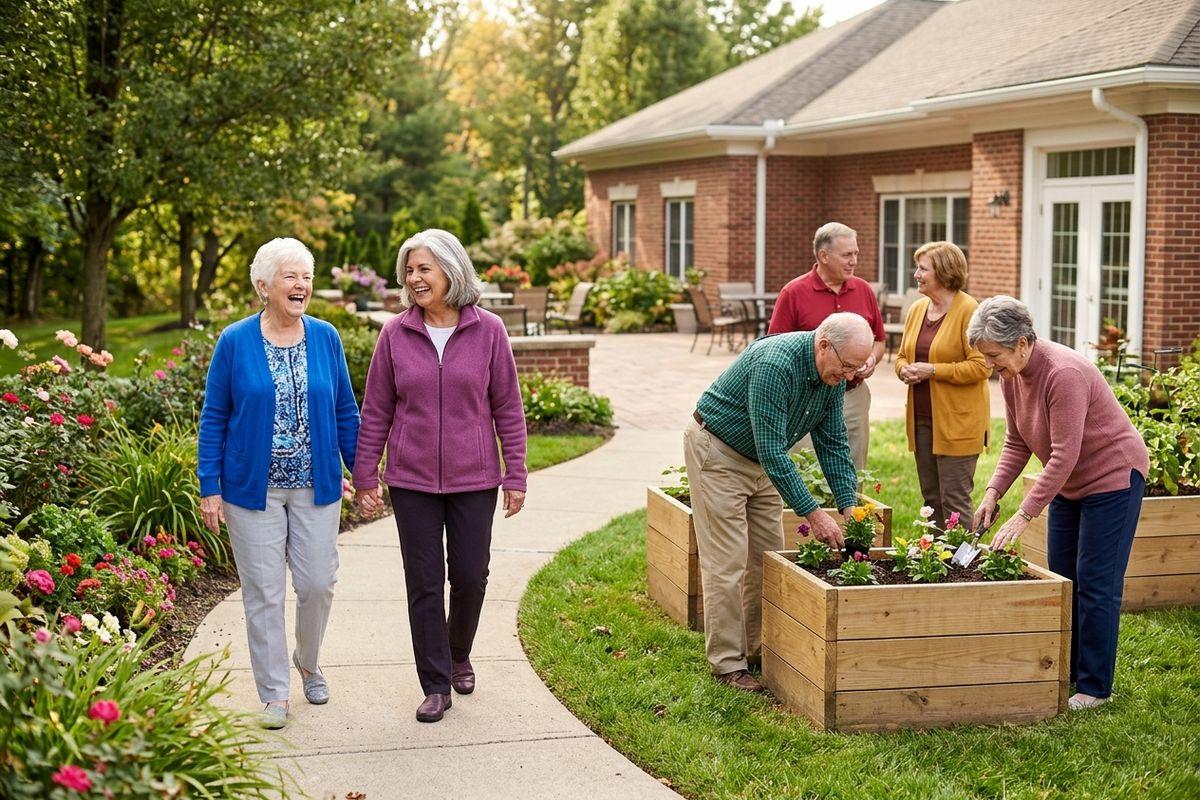
You don’t need an intense workout to feel the benefits of movement. Simple activities like walking along a scenic path, gentle stretching in the morning, or working on a small container garden can keep the body active without putting unnecessary strain on joints or muscles. Exploring indoor physical activity ideas is a great place to start for those who prefer to stay close to home.
Even light yard work or a slow stroll can strengthen balance and flexibility over time. The key is finding movement that feels enjoyable, not like a chore, so it becomes something to look forward to rather than push through.
Creative and Cognitive Activities
Keeping the mind active is just as valuable as keeping the body moving. Puzzles, art projects, card games, and music all give the brain a gentle workout while bringing real enjoyment. These aren’t just pastimes. They’re meaningful ways to stay sharp and engaged.
Storytelling and looking through old photos can also be deeply fulfilling. Revisiting cherished memories brings a sense of warmth and continuity, and sharing those stories with others creates real moments of connection.
Social and Community Involvement
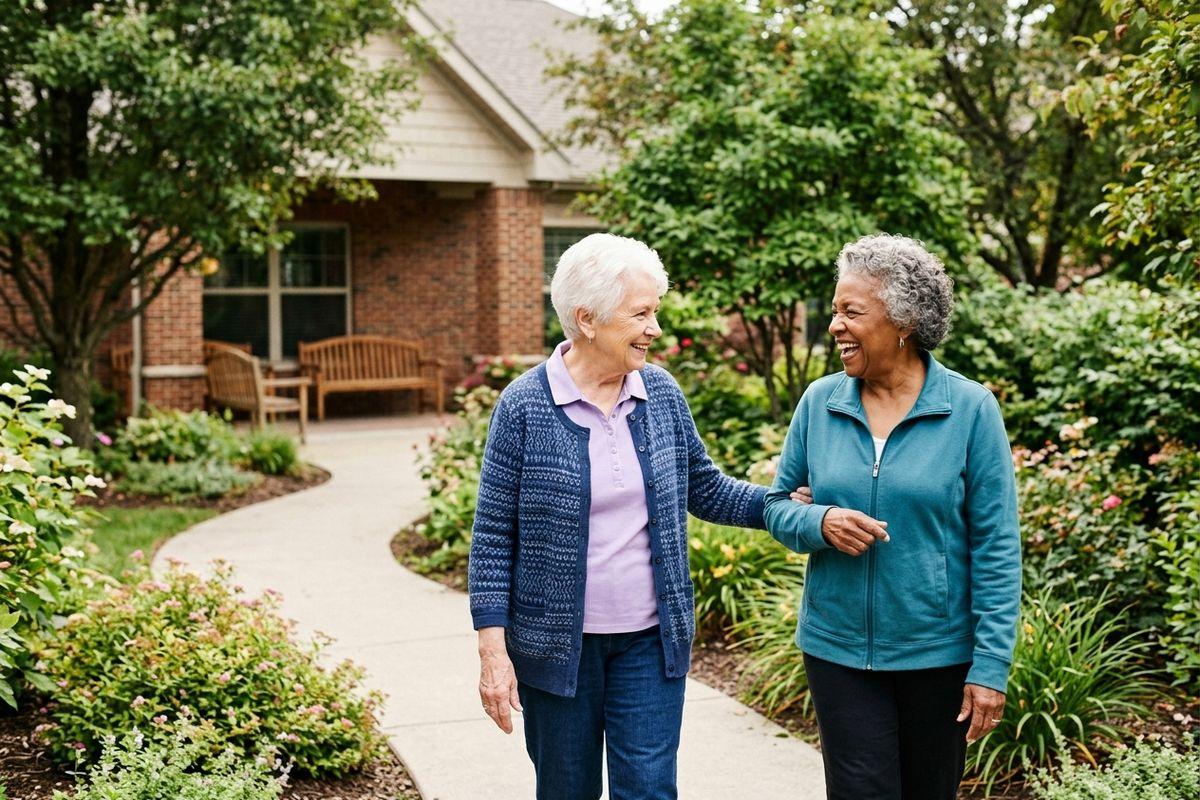
Humans are social by nature, and that doesn’t change with age. Group classes, book clubs, volunteer opportunities, and shared hobbies give older adults a chance to build friendships and feel part of something bigger than themselves. Learning how to find purpose and community in retirement can open the door to meaningful new connections.
Connecting with family through shared meals or familiar activities is equally valuable. Those moments of togetherness, whether it’s a weekly dinner or a favorite hobby enjoyed side by side, can do wonders for emotional well-being.
How Personalized Activities Support Independent Living
Not every activity is right for every person. The most rewarding routines are those that reflect someone’s own history, interests, and personality. A former teacher might light up during a book discussion. A lifelong cook might feel most like themselves when they’re involved in meal prep. These personal touches matter.
Daily tasks like cooking, organizing, or tending to a small garden also reinforce a person’s dignity and independence. They’re reminders that someone is capable, valued, and in charge of their own life. Independence carries deep meaning for seniors, and a good activity plan shifts with changing needs, always keeping the focus on what someone can do rather than what they can’t.
The Long-Term Benefits of Staying Actively Engaged
Physical Health Gains
Regular movement builds muscle strength and can reduce the risk of falls over time. It also supports better sleep, which plays a huge role in how a person feels day to day. For those managing chronic conditions, consistent activity can help the body stay more resilient and responsive. Physical activity and healthy aging are closely linked in ways that build up gradually over time.
Emotional and Cognitive Rewards
Staying active can ease anxiety and help maintain a more positive mood on a regular basis. Cognitively, activities that challenge the brain, such as games, music, or creative projects, can help support memory and mental sharpness over time. These rewards build gradually, making consistency the most valuable ingredient.
How Senior Living Communities Support an Active Lifestyle
A thoughtfully designed senior living community brings all of these elements together in one place. On-site programs address physical, social, and emotional needs so residents have access to a full range of enriching activities every single day. Bentley Commons at Paragon Village offers this kind of support across assisted living, independent living, memory care, and respite care.
Through the Stronger Living wellness program, each resident receives a personalized plan built around their own goals, preferences, and health needs. It’s activity with intention, designed to help every person get the most out of life. If you’d like to see what daily life looks like here, reach out and schedule a tour today.